
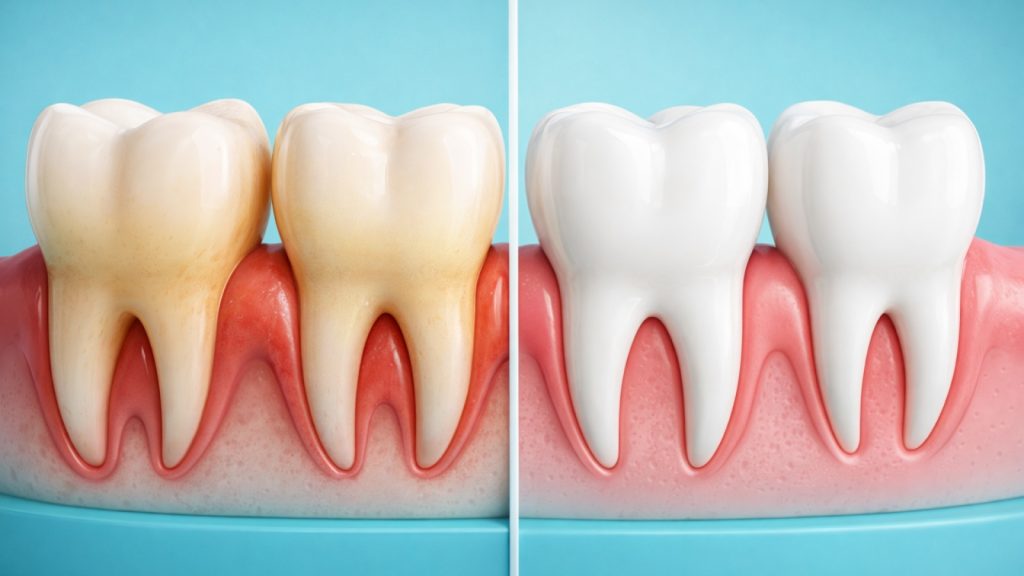
Healthy gums are the foundation for a beautiful and healthy smile. Healthy gums are not only the key to a beautiful and healthy smile, but they’re also the key to a healthy body. Did you know that your gums are the foundation for your teeth and play a vital role in many other areas of your body? Your heart, diabetes, and gum health are all connected. But the good news is, you don’t need to do much more than a simple oral care routine to keep your gums healthy.
In the following article, we’ll share expert advice on how you can prevent gum disease and keep your gums healthy.
Top Tips for Maintaining Healthy Gums
1) Daily Brushing and Flossing
The first step in maintaining good oral hygiene is to brush and floss your teeth daily. Brushing your teeth twice a day helps to remove a film of bacteria that forms on your teeth, known as plaque. When this plaque builds up on your teeth, it may lead to gum disease. When brushing your teeth, ensure that you use a fluoride-based toothpaste and a soft-bristle toothbrush.
Flossing is also important in maintaining good oral hygiene. Flossing helps to ensure that there is no buildup of food particles on your teeth. Flossing also helps to ensure that your gums are healthy. By brushing and flossing regularly, you not only protect yourself from gingivitis but also ensure that your gums are healthy.
2) Having a Balanced Diet
The food that you eat is also important in maintaining your oral health. A healthy and balanced diet that is rich in vitamins, minerals, and nutrients is important in keeping your gums healthy and resistant to disease. Vitamin C is one of the essential vitamins that you should have to prevent gingivitis. This vitamin is important in repairing tissues and boosting your body’s immunity to ensure healthy gums. Fruits such as oranges, strawberries, and bell peppers are good sources of vitamin C.
Calcium, found in dairy products and leafy greens, helps keep your teeth and gums strong, while omega-3 fatty acids found in fish like salmon can reduce gum inflammation. Avoid sugary and processed foods as they encourage plaque formation and can worsen gum health. Instead, drink water after meals to help wash away food particles and maintain a neutral pH in your mouth.
3) Rinsing with Mouthwash
Mouthwash is not just used to kill germs that cause bad breath, but it is also a vital tool in the prevention of gum disease. Using an antibacterial mouthwash helps in the prevention of gum disease by killing germs that cause plaque in the mouth. It is recommended that you use a fluoride-containing mouthwash to help protect your teeth and gums.
Mouthwash is a good addition to your oral care routine, but it should never replace brushing and flossing. It is recommended that you use a mouthwash after brushing and flossing to help you prevent gum disease and maintain a healthy, beautiful smile.
4) Avoid Smoking
Smoking is one of the primary causes of gum disease. The chemicals in tobacco weaken your immune system and damage your gum tissue, making it harder for your gums to heal and fight infection. Smokers are also more likely to develop plaque buildup and gingivitis.
In addition to harming your gums, smoking stains your teeth and can lead to persistent bad breath. If you smoke, quitting is one of the best things you can do to improve your oral hygiene and overall health. Reach out to your dentist for resources on quitting smoking and learn more about how smoking affects gum health.
5) Visiting the Dentist Regularly
Despite a good oral care routine, it is vital to visit a dentist for a checkup to maintain healthy gums. The dentist will check your gums for any signs of gum disease, which include swollen, bleeding, or receding gums, and clean them to remove any buildup of plaque and tartar that a toothbrush cannot remove.
A professional cleaning helps to remove any buildup of tartar that may lead to swollen gums. Visiting a dentist regularly helps to detect any early signs of gum disease, thereby preventing it from becoming worse, leading to tooth loss.
6) Keep an Eye on Signs of Gum Disease
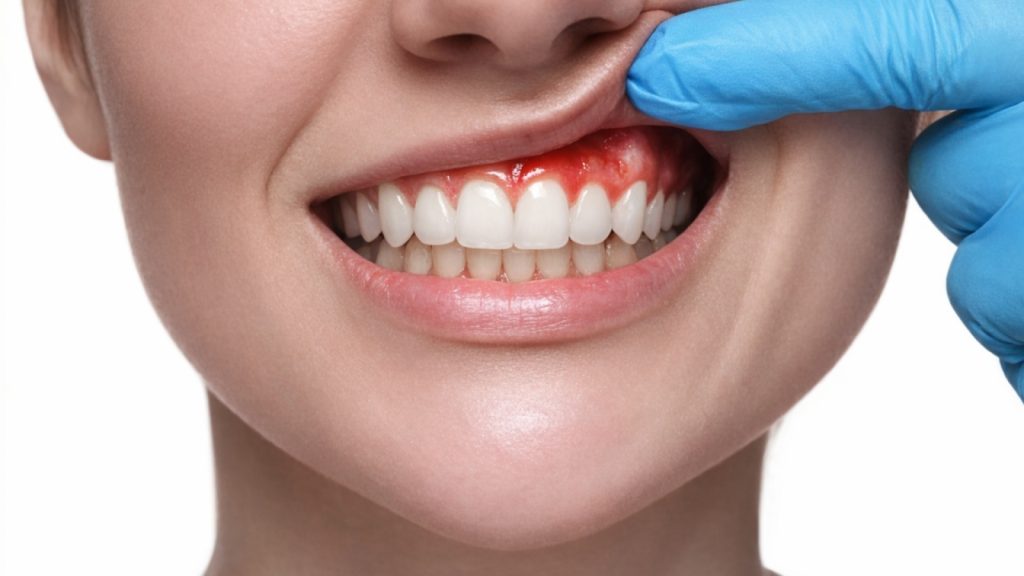
It’s important to monitor your gums for any early signs of gum disease. Early intervention can prevent further complications. Some common signs of gum disease include red, swollen, or bleeding gums, Persistent bad breath or a bad taste in the mouth, receding gums, or pockets between teeth and gums, and loose or shifting teeth
If you notice any of these symptoms, schedule an appointment with your dentist right away. Gum disease prevention is key to avoiding long-term damage to your gums and teeth.
How to Prevent Gum Inflammation
Gum inflammation, or gingivitis, is the earliest stage of gum disease. It’s caused by plaque buildup along the gumline, leading to swelling, redness, and bleeding. The good news is that gingivitis is reversible with proper care.
To prevent gum inflammation, follow these steps:
- Brush your teeth and floss regularly to remove plaque.
- Use a fluoride mouthwash to reduce bacteria and promote gum health.
- Avoid smoking and limit alcohol consumption, which can irritate the gums.
Good oral hygiene is the best defense against gum inflammation and its prevention. Keep your gums clean and healthy by maintaining a balanced diet and practicing daily oral care.
Gum Disease Treatment Options
If you’ve noticed the signs of gum disease, don’t worry! There are several treatment options available, depending on the severity of the condition. Early-stage gingivitis can typically be treated with improved home care and professional cleanings. However, if the condition progresses to periodontitis, more extensive treatments may be needed.
For advanced gum disease, your dentist may recommend:
- Scaling and Root Planing: This deep cleaning procedure removes plaque and tartar from below the gum line.
- Antibiotics: Your dentist may prescribe antibiotics to help reduce infection and inflammation.
- Surgical Procedures: In severe cases, flap surgery or bone grafts may be necessary to restore gum and tooth support.
The key to avoiding these treatments is early detection. By regularly visiting your dentist and maintaining a strong home care routine, you can avoid the need for more invasive procedures.

Ready to Look After Your Smile?
Healthy gums are the foundation of a great smile, and taking care of your gums should always be a priority. Brushing and flossing your teeth regularly, eating a balanced diet, avoiding smoking, and visiting your dentist regularly can help you keep your gums healthy and prevent gum disease.
At Just Smiles Dental, we are here to help you have the best gums and a great smile. For assistance with your gum care routine and to schedule an appointment with us, contact us today. Let’s keep your smile shining bright!
Frequently Asked Questions (FAQs)
1. How often should I visit the dentist?
Visit the dentist every 6 months to keep your gums healthy.
2. What are the signs of gum disease?
Be on the lookout for swollen gums that bleed easily, bad breath, and loose teeth.
3. Can gum disease be reversed?
Yes, if you have early-stage gum disease, it is reversible.