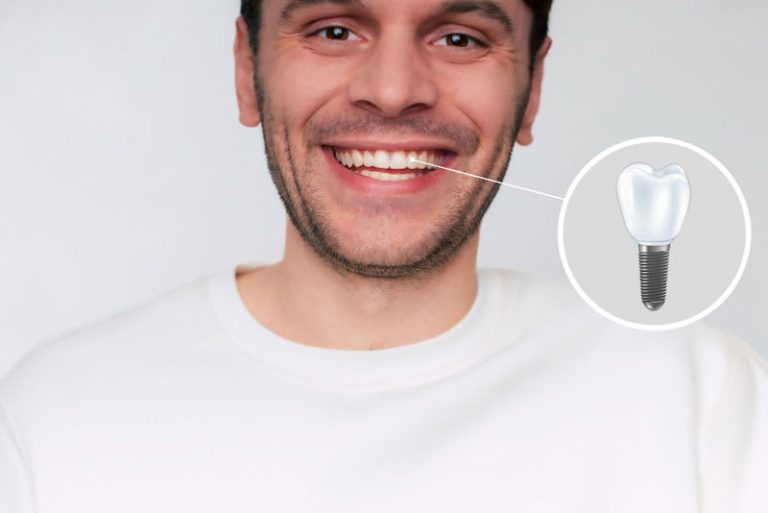
One of the first questions that every new patient asks as they are sitting in our chair with a painful tooth is this one: “Am I going to lose this tooth?”
Most of the time, the answer is negative. That’s what restorative dentistry is all about. Thanks to modern dentistry and innovations, there are many ways to restore, repair, and fix your tooth that wouldn’t have been possible 20 years ago.
That’s why at Just Smiles Dental, our philosophy of care is based on protecting your natural smile and keeping the teeth that you still have. Your real tooth, if possible, is always better than any other replacement. Below, we give an overview of what restorative dentistry is all about, what procedures may be needed, and how you will know that it’s time to visit us.
What Is Restorative Dentistry?
Restorative dentistry is the branch of dental care focused on repairing damaged, decayed, or missing teeth so your mouth works properly again. It covers everything from a single filling to full smile restoration.
Think of it this way. Cosmetic dentistry is about how your teeth look. Restorative dentistry is about how your teeth function and how long they last. The good news is that most modern dental restoration treatments do both at the same time, so you get healthier teeth, a stronger bite, and a better-looking smile.
Why Saving Your Natural Teeth Always Wins
The natural teeth you have are simply better than anything that could replace them in terms of strength, responsiveness, and compatibility with your body. Protecting the structure of the natural tooth ensures that your mouth remains in good balance and stimulates the bone of the jaw.
Then there is always the issue of money and cost. It is less expensive to get a filling or a crown at this point rather than replacing the tooth with an implant, requiring a graft and then some follow-up procedure. Saving and preserving your teeth by restoring them is your best bet.
This is the reason we push so much for restoration first. Extraction is always the last resort, not the primary treatment option. So long as there is enough natural tooth remaining to do something about, you can rest assured that we will make sure to save your teeth.
The Main Types of Restorative Dental Treatments
Dental Fillings
The most common dental restoration for tooth decay. We remove the decayed portion of the tooth and fill the space with tooth-coloured composite that blends in seamlessly. Quick, comfortable, and usually done in one visit.
Dental Crowns
When a tooth is cracked, weakened, or too damaged for a filling, a dental crown caps the entire tooth. They restore full chewing strength and protect what is left of your natural tooth underneath.
Inlays and Onlays
A middle ground between a filling and a crown. Custom-made in a lab, they repair larger areas of damage while preserving more of your natural tooth than a full crown would.
Root Canal Therapy
When tooth decay reaches the nerve, a root canal removes the infection and saves the tooth from extraction. Modern root canals are far more comfortable than their reputation suggests.
Dental Bridges
If a tooth is already missing, dental bridges fill the gap by anchoring to the neighbouring teeth. This keeps surrounding teeth from drifting and restores your bite.
Dental Bonding
A fast tooth repair for chips, small cracks, and other minor damage to teeth. We apply composite resin, shape it, and harden it in a single appointment, restoring the look and function of your tooth.
Signs You Might Need Restorative Dentistry
Your mouth usually tells you something is wrong before things get serious. Watch for:
- Persistent toothache that will not settle
- Sensitivity to hot or cold drinks
- Visible cracks, chips, or worn edges
- Dark spots that may indicate tooth decay
- Loose or missing fillings
- Pain when chewing on one side
- A bad taste coming from one specific area
Do not wait for these. Small problems become big problems quickly, and the earlier we catch them, the more of your natural tooth we get to save.
What to Expect at Just Smiles Dental
We start the process off with an initial examination and digital X-rays to help us determine what is going on in your mouth, both above and below your gums. After that, we give you a straightforward rundown of all your treatment choices and their costs. You are in charge of making your decisions.
We will always start by recommending the least invasive procedure possible. We provide sedation options and numbing agents to ensure patient comfort, so your visit here will be far removed from anything you might have encountered at other dentists’ offices in the past.
Ready to Save That Tooth?
If something in your mouth has not felt right, do not wait. The sooner we see it, the more options we have to save it. Book your visit with Just Smiles Dental today, and let us help you keep the smile you already have.
Frequently Asked Questions
1. Does restorative dentistry hurt?
No. Modern numbing makes most procedures completely painless, and sedation is available at Just Smiles Dental if you feel anxious. Most patients tell us it was easier than they expected.
2. How long do crowns, fillings, and bridges last?
With good care, fillings last 7 to 15 years, crowns and bridges last 10 to 20 years, and many last even longer. Daily brushing, flossing, and regular checkups make the biggest difference.
3. Will my insurance cover restorative dental work?
Most Canadian dental plans cover a significant portion of restorative treatment because it is medically necessary. Our team helps verify your coverage and explains your out-of-pocket cost before we begin.
4. How can I fix damaged teeth without losing them?
That is exactly what restorative dentistry is for. Fillings, crowns, bonding, root canals, and bridges are all proven ways to repair damaged teeth and keep your natural smile intact. Book a consult to find the right option for you.
5. How do I know if my tooth can still be saved?
Only an exam and X-ray can confirm it, but if your tooth is still in place and you can feel it, there is a strong chance we can save it. Come in early for the best options.
Keep Reading