

Picking the right toothbrush could really make an impact for the better on your dental health! Have you ever just looked down an aisle of brushes trying to make the perfect selection? It could be overwhelming. Soft bristles, hard or medium strength, but the one you select has a major impact on your gums and teeth.
Whether you’re trying to figure out if an electric toothbrush is worth the investment or trying to find the best toothbrush for sensitive teeth, this guide will help you with everything you need to know. After reading this guide, you will know how to choose the best toothbrush that will make brushing your teeth easier, more effective, and maybe even more enjoyable!
Let’s get to how to choose a toothbrush that will improve your oral hygiene for the years to come, and keep your smile healthy.
Understanding the Different Types of Toothbrushes
Let’s start with the first thing, the basics of toothbrushes. There are manual and electric toothbrushes available, but both have their own specifications and will give different results depending on your way of using them. The best choice depends on your needs and budget.
Manual vs Electric Toothbrush
A manual toothbrush is the most common option available out there and is low-cost for the good. Very easy to use, but brushing with a manual brush requires some effort and skill. If you have developed thorough brushing habits and don’t mind going through some extra arm workout, then the best manual brush is the right option for you.
Contrary to it, an electric toothbrush saves you from the hustle and does the job more efficiently. Electric toothbrush benefits include a built-in timer and sonic bristle movement to ensure you brush for the recommended two minutes, as well as features like pressure sensors to prevent you from brushing too hard. For those who struggle with manual brushing and seek some convenience, an electric toothbrush is your best bet.

Choosing the Right Bristles
When it comes to the toothbrush bristles, the range of toothbrush bristle types can make a huge impact on your oral health.
Soft Bristles vs. Hard Bristles
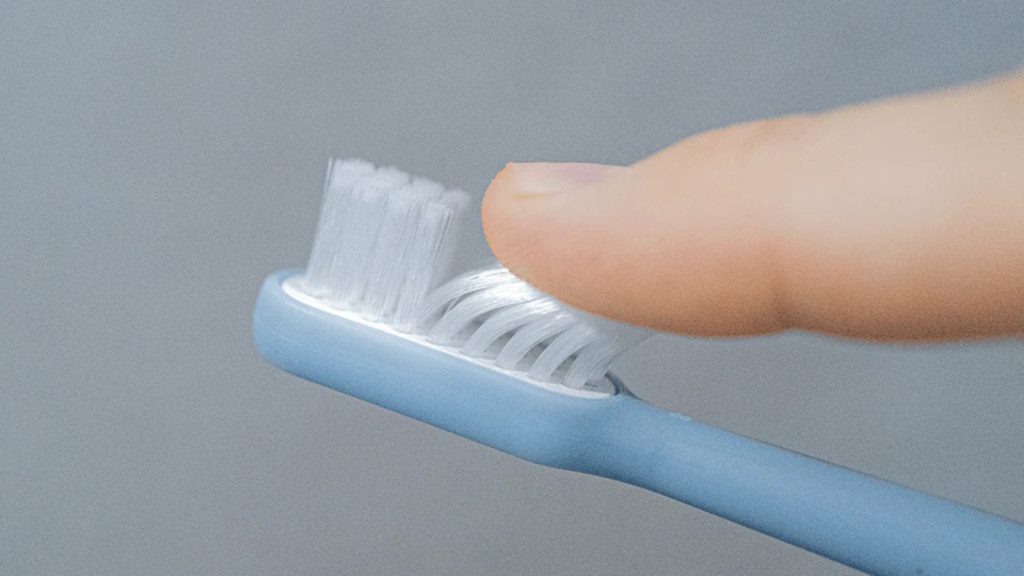
Bristles are an important factor to be taken into account. For many out there, a soft-bristle toothbrush is their only choice. These are gentle on the teeth and gums, which is a good thing if you have sensitive teeth, weak enamel, and face gum recession. Brushing too hard with a medium or hard bristle can cause damage to your gums and wear down tooth enamel.
If you have sensitive teeth or are prone to gum disease, a soft-bristle toothbrush will give you a more comfortable, effective clean without irritating your gums. On the other hand, if you’re dealing with significant plaque buildup, a best toothbrush for plaque might feature medium bristles that are still gentle but better at breaking up stubborn plaque.
Best Toothbrush for Gums
To brush effectively for gum disease or gum recession, purchase a toothbrush that has a soft bristle and an ergonomic shape. Make sure that while brushing, you are being gentle, but are not missing any spots, especially the gum line. If you want to take a more specialized route, getting an electric toothbrush with soft bristles would work best.
Toothbrush Features to Consider
When choosing a toothbrush, it is important to consider some extra features for an improved experience.
Toothbrush with Tongue Scraper
One of the major reasons for bad breath is the bacteria that choose your tongue as a host. A toothbrush with a tongue scraper can be a great addition to your daily routine. This feature helps you keep your tongue clean and fresh, supporting better overall oral hygiene.
Best Toothbrush for Braces
If you wear braces, then you need a one that can go deep into the crevices of your teeth. The best toothbrush for braces is one with a small head and soft bristles that can easily reach between the brackets and under the wires. Some toothbrushes are available with attachments for braces, which can be easy to use for harder-to-clean spots.
Choosing the Right Toothbrush for Sensitive Teeth and Gums
For more sensitive teeth, it is important to choose toothbrushes that don’t cause you discomfort. A toothbrush for sensitive teeth has the softest bristles to not cause any issues to your oral health clean the area without any pain. Additionally, you should go for a fluoride toothpaste as it can help further without irritating.
For people with sensitive gums, a soft-bristled electric toothbrush is an excellent choice because it provides an effective clean without putting too much pressure on the gums.
Best Toothbrush for Kids
With kids, you’re gonna want a toothbrush that meets both fun and functional needs. A good toothbrush for kids will have a smaller head to better fit their mouths and be gentle enough not to irritate their more sensitive gums. Bright colors and unique designs, like animals, can help children have fun while learning good habits. Some kids’ electric toothbrushes even have fun songs, encouraging kids to brush for the full two minutes, and timers to help them reach the two minutes.
When to Replace Your Toothbrush
Eventually, even your favorite toothbrush will need a change. Most dentists say, on average, you should change your toothbrush every 3-4 months, and even more frequently if you see the bristles begin to get frayed. If you do need to grab a new toothbrush, it is your best bet to remove more plaque and bacteria. If you have been ill in the past, it is best to get a new toothbrush before you reinfect yourself.
Conclusion
Choosing the right toothbrush is an essential part of maintaining good oral health. Whether you opt for a manual toothbrush, an electric toothbrush, a soft-bristle toothbrush, or an electric model with special features like a tongue scraper, the most important thing is to select one that suits your specific needs.
Remember, your toothbrush is just one piece of the puzzle. Brushing twice a day, flossing regularly, and visiting your dentist for routine check-ups will help ensure your smile stays bright and healthy for years to come.
Frequently Asked Questions (FAQs)
1. What type of Toothbrush is the most recommended?
The soft-bristle one is the best, recommended by dentists.
2. Should I wet my toothbrush before brushing?
Yes, wetting softens the bristles and removes debris.
3. Which is better, soft bristle or hard?
Soft bristle is better for gum issues, and hard is better for removing plaque.
4. Is a rotating toothbrush better?
Yes, a rotating one helps remove plaque better.