

A good smile can give you the best confidence. You can wake up, smile, feel good about it, and because they are not sensitive, there are no cavities. Most people think you need fancy routines to keep things that way, but you really don’t. A few simple habits can protect your teeth for years.
But if you don’t have an idea of how to keep your smile clean, healthy, here are 10 ways that can prevent cavities & definitely give you the best smile that will last you forever.
1. Brush Your Teeth With Technique and not With Pressure
Most people brush their teeth “hard” because they think it will make them “cleaner,” but that is not true at all. In fact, brushing too aggressively wears down your enamel (the protective layer that your teeth depend on).
When you brush your teeth softly and slowly with a soft-bristle toothbrush, 2 minutes every day (twice a day), it has been proven to not only be more effective, but also way less damaging. The Canadian Dental Association says that enamel makes teeth more vulnerable to decay, especially along the gumline.
Here are a few suggestions that can help you. Try these:
- Switch to an electronic toothbrush if you can
- Choose a fluoride toothpaste (Crest, Colgate, Sensodyne)
- Brush in small circles rather than just going back and forth
2. Master this 1 Habit People Skip: Flossing
You’ve been told this almost your whole life: flossing is not optional. About 40% of plaque lives in between your teeth, and when you brush, your toothbrush cannot reach those places.
So when you do not floss, remember, it mixes with all kinds of stuff like your sugar, acids, and those things drill cavities in between your teeth, and that’s when you will have a “surprise” or “sudden” toothache. All because you don’t floss.
So from now on, try these:
- Floss regularly
- If you can, get a water flosser
- Floss picks are you’re always on the go
Flossing is a small task with a huge impact. Just doing flossing for a few days will save you hours of dental work.
3. Use Fluoride Correctly
People do know that using fluoride is important, but they forget to use it, and also forget the techniques on how to. Fluoride strengthens enamel by helping your teeth remineralize after the acid attacks.
So for you to get the most out of it, do this:
- Spit and do not rinse after using it
- Use fluoride toothpaste from major brands
- Ask your dentist about your prescription strength fluoride (5,000 ppm) if you get cavities often
One of your trusted sources as a dentist is Health Canada, and we agree with them when they say fluoride is one of the most reliable tools for tooth decay prevention because this is a big part of both oral health tips and cavity prevention tips, especially for those people who struggle with sensitivity.

4. Watch What You Drink
There are certain drinks, if not most drinks, that quickly era down our enamel faster, no matter how well you may brush your teeth. Drinks like soda, juices, sports drinks, iced coffee, kombucha, and any other acidic or sugary drinks will wear it down quickly.
Here are some easy adjustments you can make to help your enamel last, and your teeth stay protected as well:
- Drink sugary drinks only when you have a meal
- Use a straw for acidic drinks
- Rinse your mouth with water afterward
- Make water your default drink
If you want to know how you can protect your teeth, it all starts wth understanding what makes them weak. Even people who think they know how to avoid cavities, they too forget how powerful drinks can be to their enamel and teeth.
5. Do NOT Snack All Day
Now, as for this part, you should know this. Cavities grow in frequency and not just quantity. Every time you eat a snack, the pH in your mouth drops. Your teeth stay acidic for about 20-30 minutes. If you’re snacking all day, your enamel will barely recover.
To save your enamel, try this strategy:
- Have intentional snack times
- Keep them to 1-2 times a day
- Choose snacks like cheeses, nuts, yogurt, or vegetables
This is one of the best ways to prevent cavities without changing your entire lifestyle. It’s simple, sustainable, and incredibly effective for tooth decay prevention.
6. Seal the Deep Grooves (Dentist-Level Prevention)
Most adults don’t know that dental sealants are not just for kids. Those deep grooves on your molars trap a lot of bacteria, and just brushing won’t fully get rid of them.
Hence, we advise you to get sealants because they are painless, they last for years, and they will also reduce your risk of getting cavities. They are also recommended for both adults and children.
If you want dental tips for kids, this is a game-changer! But fas fo the adults, it’ one of the smartest dental care tips we can offer you, and most of our patients who ask how to prevent cavities never realize this option exists.
Sealants also work beautifully with a strong oral care routine.

7. Make Your Teeth Strong From the Inside Out
Your enamel relies on minerals like calcium and phosphate. If you are low on those, you are making your enamel more vulnerable to decay.
So there are certain foods that you can eat that will support your enamel, like:
- Yougurt
- Cheese
- Almonds
- Leafy greens
- Salmon
- Fortified plant milks
Nanphydroxypaptie toothpaste is a toothpaste that’s mostly used in Japan, and it is known for its scintufc summaries and results. It is now a popular oral hygiene tip and a strong teeth tip, especially for people with sensitivity.
8. Don’t Stay with a Dry Mouth
Please don’t ignore a dry mouth. When you have a dry mouth, it quickly accelerates cavities. So try to keep your mouth wet; saliva is your best natural defense system. Without it, bacteria can quickly multiply. Which can cause issues like:
- Medications
- Stress
- Dehydration
- Outh breathing
If you are looking for tips for dental hygiene for your dry mouth, here are your best moves:
- Drink a lot of water
- Use alcohol-free mouthwash
- Cjew xylitol gum
- Use saliva-stimulation products if needed
When you have a dry mouth, you cannot prevent tooth decay or gum disease. And a lot of people don’t know this. Now that you do, you are ahead of them.
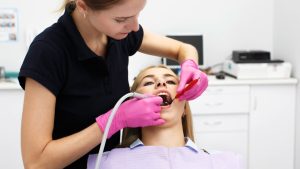
9. Get Professional Cleaning Twice a Year
When you get a professional dental cleaning, it will help you and us to catch problems early before they get even worse, and it will also help maintain your gum health. You could follow every piece of teeth care tips we’ve told you, and still miss plaque that only a hygienist can remove safely.
Professional cleanings also support every other part of your oral routine, from strengthening your enamel to boosting your confidence and long-term tooth decay prevention.
10. Build a Routine You Easily Follow
Consistency beats perfection. People who maintain excellent dental health are not doing anything dramatic; they are just simply and steadily.
A dependable routine includes:
- Brushing morning and night
- Floss everyday
- Drinks a lot of water throughout the day
- Managing sugar intake
- You come in for regular dental checkups
- You use fluoride daily
If you want the best formula on how to avoid cavities, this is it: it’s all about finding a routine that fits your life perfectly. And when you stick to it, you prevent cavities naturally, as well as strengthen your enamel, which keeps your smile healthy and bright.
And the last combines all your dental health tips, dental care tips, oral health tips, and tips for dental hygiene. Once you get into a routine, everything else becomes super easy.
FAQs About Tips for a Healthier Smile
1. How often should I visit the dentist for checkups?
Most people do well with a checkup every six months, but your dentist may adjust that depending on your gums, enamel strength, or past issues with decay. Regular visits help catch small problems before they turn into expensive treatments. It’s also the easiest way to keep your teeth healthy without stressing about surprise pain later.
2. What’s the right age for kids to start going to the dentist?
Children should usually come in around their first birthday, or when the first tooth appears. Early visits help your child get comfortable with the dental environment and allow the dentist to spot small issues before they grow. It also gives parents guidance on brushing, habits, and sugar exposure.
3. Are electric toothbrushes really better than manual ones?
Electric brushes generally clean more thoroughly because the bristles move faster than our hands ever could. They’re great for reaching tricky spots and keeping plaque down with less effort. Manual brushing still works, but electric makes the process easier and more consistent, especially for people who rush through brushing.
4. What causes cavities even if I brush often?
Brushing is only part of the picture. Cavities can still form from snacking all day, using the wrong toothpaste, skipping flossing, or drinking acidic drinks that wear down enamel. Genetics also plays a role; some people naturally have softer enamel. Brushing helps, but your full daily habits matter too.
5. How do I know if my gums are healthy?
Healthy gums look firm and pink, and they don’t bleed when you brush or floss. If you notice swelling, soreness, redness, or bleeding, your gums are trying to tell you something. It could be plaque buildup, brushing too hard, or early gum disease.