
 Insights from the Experts at Just Smiles Dental!
 Insights from the Experts at Just Smiles Dental!
Everybody is afraid of the idea of getting their tooth removed. As intimidating as it may sound, sometimes it’s the best bet for your oral health. Be it a severely damaged tooth, an affected wisdom tooth, overcrowding, or more, tooth extraction can be a much-needed relief and help prevent future problems.
But what happens before, during, and after a tooth extraction? Understanding the entire process can ease your anxiety and help you navigate the process with confidence. In this blog, we’ll walk you through everything you need to know—from the reasons for tooth extraction to essential aftercare and healing tips.
When Should a Tooth Be Extracted?
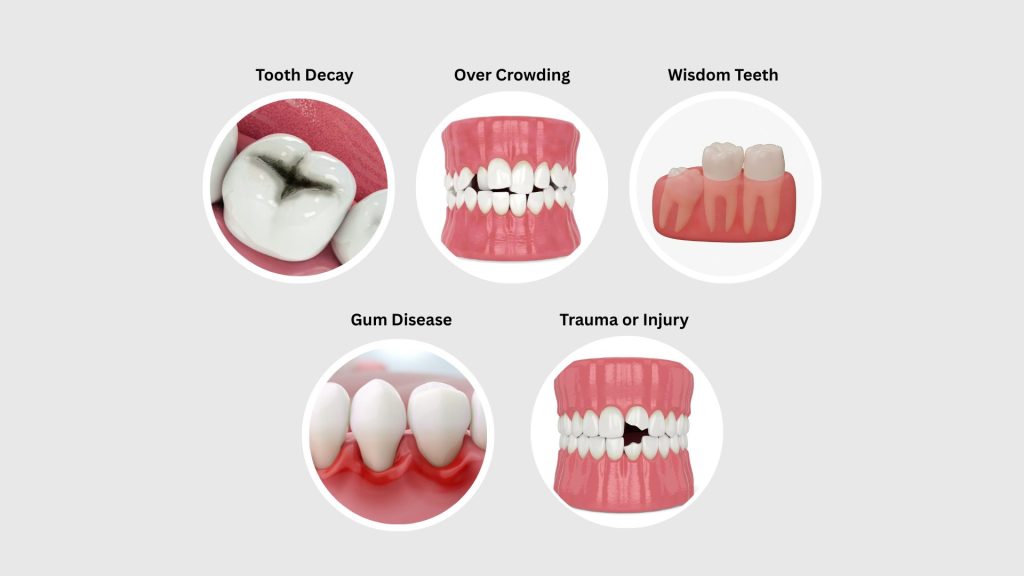
Tooth extractions are the last thing considered when a tooth can’t be saved. Here are some cases where a tooth is better off getting removed.
Tooth Decay: If your tooth is rotten or infected and cannot be fixed with a filling or root canal, extraction is crucial to preventing further damage to the surrounding teeth.
Overcrowding: Sometimes, there is not enough space for your teeth to align. Especially before getting braces, removing a tooth is helpful and creates more room for your other teeth to shift into place.
Wisdom Teeth: There are well-known advantages to getting your wisdom teeth removed. They have significant positive impacts on your overall health. But these teeth can get impacted, cause crowding, or get infected, which can lead to other medical problems.
Gum Disease: If there is significant gum disease damage to the supporting structures of a tooth, then extraction must be done.
Trauma or Injury: If a tooth gets broken or if there is a significant injury to it, it’s better to remove the tooth to avoid future problems.
 The Tooth Extraction Procedure
The idea of tooth extraction seems daunting, but it is a relatively straightforward process. However, the complexity varies depending on individual complications.
Before the procedure begins, your dentist will discuss tooth extraction pain management options with you. Most extractions are done under local anesthesia, which numbs the area around the tooth. However, for more complicated procedures, such as wisdom tooth extractions, you may be given a sedative or even general anesthesia to keep you comfortable.
Once you’re numb, the dentist will use special instruments to loosen the tooth and remove it. For more complicated extractions, such as impacted teeth, the dentist may need to make a small incision in your gum to access the tooth. The procedure can take anywhere from 20 to 40 minutes, depending on the complexity.
How long does a tooth extraction take?
The exact time range for a tooth extraction largely depends on the severity of the individual’s case and the position of the tooth in the mouth. A simple extraction, such as removing a tooth that’s already visible and loose, usually takes 20 to 40 minutes. On the other hand, if you need an emergency tooth extraction due to trauma or infection, or if you’re having wisdom teeth removed, the process might take a bit longer due to the need for additional steps like cutting into the gum tissue or removing bone.
What Happens After Tooth Extraction?
After the procedure, you may experience some discomfort, swelling, or mild bleeding, which is normal. Your dentist will provide instructions for the initial recovery phase, which includes:
- Blood Clot Formation: A blood clot will form in the socket where the tooth was removed, and it’s essential to avoid disturbing this clot to prevent a painful condition known as dry socket.
- Swelling and Bruising: You may notice some swelling or bruising around the extraction site, which should subside within a few days.
- Tooth Extraction Recovery Tips: Applying ice packs to your face in the first 24 hours can help reduce swelling. Eating soft foods and avoiding hard, chewy, or crunchy foods will also make your recovery easier.
Tooth Extraction Aftercare
Proper tooth extraction aftercare is crucial for ensuring a smooth recovery. Here are some key tips to keep in mind:
- Pain Relief: Use over-the-counter pain relievers, such as ibuprofen or acetaminophen, as recommended by your dentist. If the pain persists, follow up with your dentist for stronger pain management options.
- Avoid Smoking: Smoking can interfere with the healing process, so it’s best to refrain from smoking for at least a few days after the extraction.
- Oral Hygiene: Keep the extraction site clean by gently rinsing with warm salt water, but avoid brushing the area directly for the first few days.
- Rest: Allow yourself time to rest and avoid any strenuous activities that could disrupt the healing process.
Tooth Extraction Recovery Time
 Tooth Extraction Recovery Time
The tooth extraction recovery time can vary depending on the complexity of the extraction. For simple extractions, most people can resume normal activities within a few days. However, if you had wisdom teeth removed or a more complex extraction, full recovery may take up to a few weeks.
In the first few days, you’ll likely experience mild pain, swelling, and bruising, but by the end of the first week, most of these symptoms should subside. After two weeks, your gums will begin to heal, and any residual swelling should be gone.
Tooth Extraction Alternatives
While tooth extraction can be necessary, it’s not always the first option. If your tooth is still salvageable, your dentist may suggest tooth extraction alternatives like:
- Root Canal Therapy: A root canal can save an infected tooth by removing the damaged pulp and sealing the tooth.
- Dental Crowns: For teeth with severe decay, crowns can restore their function and appearance without the need for extraction.
- Orthodontics: If crowding is an issue, braces or other orthodontic treatments may be used to shift teeth into a better position without removing any teeth.
Final Thoughts
Although tooth extraction may seem intimidating, it is usually a manageable procedure with a quick recovery. You can make the process as comfortable as possible by being aware of the healing process, tooth extraction recovery advice, and aftercare.
Recall that your dentist can assist you in looking into financing or payment options to make the procedure more affordable if you are worried about the cost of a tooth extraction. Additionally, don’t be afraid to speak with a professional about your options if you’re feeling pain or discomfort and wondering if a tooth needs to be extracted.
Need help or have questions about tooth extraction? At Just Smiles Dental, we’re here to guide you through every step of the process. Contact us today to schedule a consultation and get personalized advice tailored to your needs. Your smile deserves the best care!
Frequently Asked Questions (FAQs)
1. How long do I rest after a tooth extraction?
It is recommended to rest for a day or two after getting an extraction.
2. When can I start eating after a tooth extraction?
You can eat soft and cold foods like jelly, ice cream, within the first 24 hours and return to normal eating when bleeding stops.
3. Which toothpaste should I use after a tooth extraction?
Toothpastes that are mild and for sensitive teeth can be used.
4. Does saltwater help heal after a tooth extraction?
Yes, rinsing with saltwater can help clean the area and heal the socket.