
From the Desk of Just Smiles Dental
Have you ever felt that sharp, uncomfortable jolt in your teeth when you sip hot coffee or eat ice cream? If so, you’re not alone. Tooth sensitivity is a common dental issue that affects many people, making it difficult to enjoy everyday pleasures like drinking hot or cold beverages. But the good news is that there’s hope! If you’re struggling with sensitive teeth, you’re in the right place.
In this blog, we’ll explore what causes tooth sensitivity, how you can get sensitive teeth pain relief, and how Dr. Claire Wang at Just Smiles Dental can help you find the best solutions for a pain-free smile.
Best Toothpaste for Sensitive Teeth
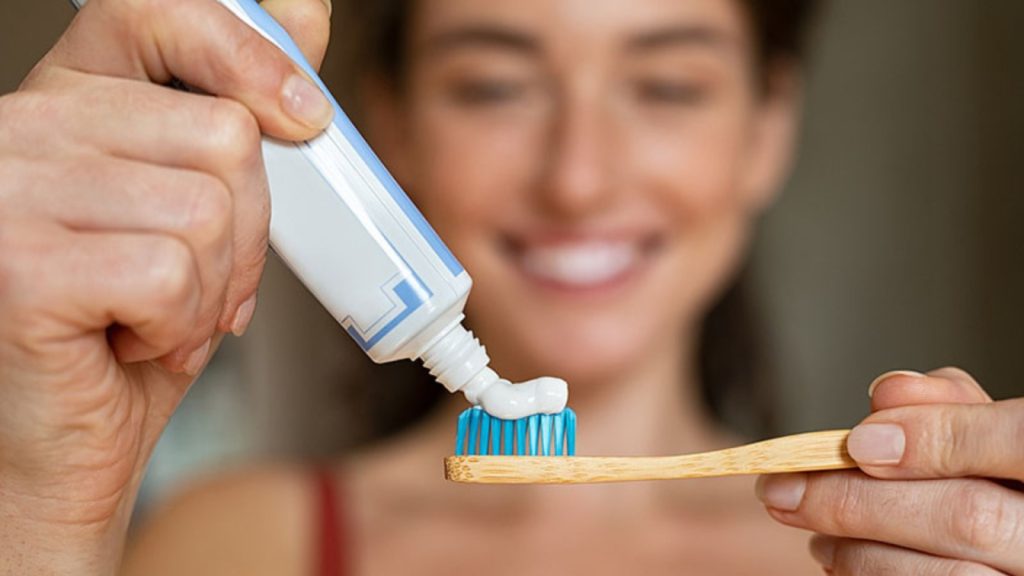
When you have sensitive teeth, finding the right toothpaste can make the experience a little easier. Most regular sensitivity toothpastes might have active ingredients that block nerve endings or strengthen enamel.
At Just Smiles Dental, Dr. Claire Wang suggests using toothpaste that has potassium nitrate or strontium chloride because they neutralize the sensitivity of the teeth. These types of toothpaste will create a barrier and protect the nerve endings that sense sharp pains from hot, cold, or sweet foods.
Here’s a quick overview of the best toothpaste options:
| Toothpaste Brand | Key Ingredients | Benefits |
| Sensodyne | Potassium Nitrate, Fluoride | Provides long-term relief for sensitive teeth. |
| Colgate Sensitive | Strontium Chloride, Fluoride | Helps reduce pain caused by hot and cold foods. |
| Parodontax | Fluoride, Zinc Citrate | Targets gum health while alleviating sensitivity. |
Some brands that offer good options for lessening tooth sensitivity are Sensodyne and Colgate Sensitive. Also, make sure the toothpaste has fluoride. Fluoride helps to protect against cavities and strengthens enamel, which is important for sensitive teeth.
Why Are My Teeth Sensitive?
If you’re wondering, “Why are my teeth sensitive?” you’re not alone. There are several reasons why tooth sensitivity might develop, and understanding these causes is the first step toward finding relief. Here are the most common causes:
- Enamel Erosion: The outer layer of your teeth, called enamel, is what protects the softer inner layers. When enamel wears down, often due to acidic foods, brushing too hard, or teeth grinding, it can leave your teeth vulnerable to sensitivity.
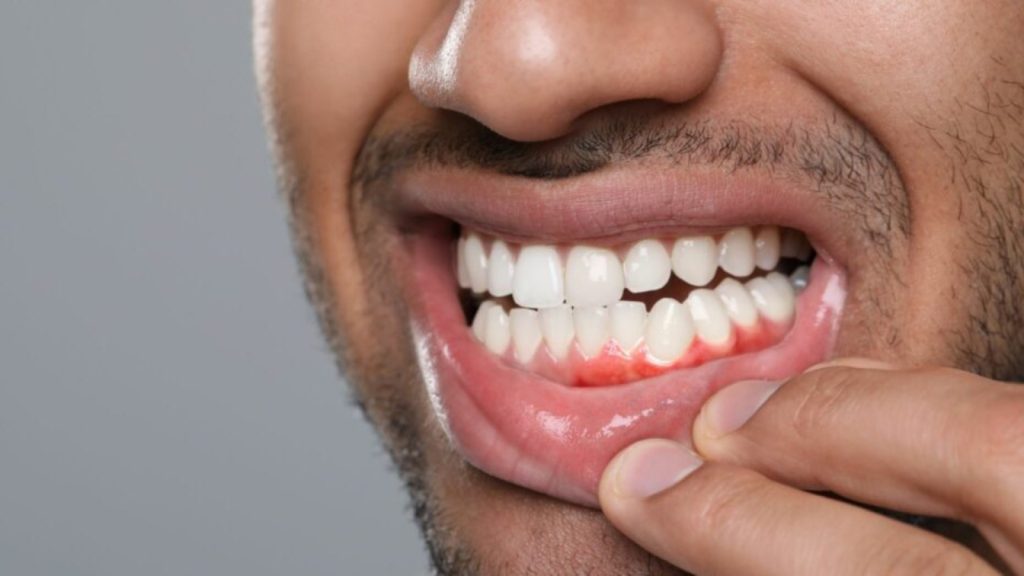
- Gum Recession: If your gums recede, they can expose the roots of your teeth, which are not as protected as the rest of the tooth and are much more sensitive.
- Tooth Decay: Cavities can expose the deeper layers of the tooth, making it more sensitive to external stimuli.
- Bruxism (Teeth Grinding): If you grind your teeth at night, the constant pressure can wear down your enamel, leaving your teeth more susceptible to sensitivity.
- Dental Procedures: Sometimes, sensitivity can occur after a dental treatment, such as sensitivity after teeth whitening or a filling.
Dr. Claire Wang at Just Smiles Dental understands that sensitive teeth can be distressing, and she works closely with her patients to identify the root cause and create a personalized treatment plan to alleviate discomfort.
What Causes Tooth Sensitivity?
Tooth sensitivity typically results from exposed dentin, which is the tissue beneath your tooth’s hard enamel. When the enamel wears away or when your gums recede, the sensitive dentin becomes exposed. This makes your teeth more prone to sensitivity when you encounter hot, cold, or sweet foods and drinks.
Here are a few common teeth sensitivities that might be affecting you:
- Enamel Erosion: Acidic foods and drinks (like citrus fruits or soda) can wear down enamel over time, leaving your teeth more vulnerable.
- Gum Recession: If your gums pull back, they expose the tooth roots, which are more sensitive.
- Tooth Decay: Cavities can cause the pulp inside your tooth to become exposed, leading to sensitivity.
- Bruxism: Constantly grinding your teeth wears away the enamel, leaving your teeth more sensitive.
At Just Smiles Dental, Dr. Wang takes a thorough approach to diagnosing the cause of your tooth sensitivity. Whether it’s due to gum recession, enamel erosion, or another underlying issue, she can help you find the right treatment plan.
How to Fix Sensitive Teeth
How can I fix my sensitive teeth? Here are some steps you can take to reduce discomfort and improve your dental health, as recommended by Dr. Claire Wang:
| Step | Action | Benefit |
| Use Desensitizing Toothpaste | Choose a toothpaste for sensitive teeth, like Sensodyne. | Helps block nerve pain and reduce sensitivity. |
| Brush Gently | Use a soft-bristled toothbrush and avoid hard brushing. | Prevents further enamel damage and gum irritation. |
| Use a Mouthguard for Grinding | Consider a mouthguard if you grind your teeth at night. | Protects enamel and reduces sensitivity from grinding. |
| Avoid Trigger Foods | Limit acidic, hot, or cold foods and drinks. | Reduces exposure to sensitivity triggers. |
| Fluoride Treatments | Get fluoride treatments from Dr. Wang at Just Smiles Dental. | Strengthens enamel, providing long-term relief. |
Tooth Sensitivity Treatment
If home remedies aren’t enough, don’t worry, there are professional tooth sensitivity treatments available. Dr. Claire Wang provides various treatments that can help restore comfort to your teeth:
- Fluoride Varnish: Fluoride varnish is applied to your teeth to strengthen the enamel and reduce sensitivity.
- Desensitizing Agents: These are applied to the exposed areas of your teeth to block the pain-causing nerve signals.
- Bonding or Sealants: For more severe cases, dental bonding or sealants may be used to cover the exposed tooth surfaces, providing long-lasting relief.
Dr. Wang’s goal is to ensure that your teeth stay healthy and pain-free. She takes the time to understand your specific needs and tailors her treatment recommendations accordingly.
What to Do for Sensitive Teeth
If you’re wondering, “What should I do for sensitive teeth?”, here are a few steps you can take to keep the discomfort at bay:
- Switch to the Right Toothpaste: Choose a toothpaste for sensitive teeth to help alleviate discomfort.
- Use a Soft-Bristled Toothbrush: Avoid brushing too hard to prevent further enamel damage.
- Protect Your Teeth from Grinding: If you grind your teeth, a nightguard can prevent further damage.
- Stay Away from Acidic Foods: Limit acidic foods and drinks that can aggravate sensitivity.
- See Your Dentist: If your sensitivity persists, make an appointment with Dr. Wang at Just Smiles Dental for a thorough evaluation and personalized treatment plan.

Conclusion
Life is too short for tooth sensitivity to stop you from living life to the fullest! After all, with the proper treatment, you can relieve your sensitivities and start to smile again. At Just Smiles Dental, Dr. Claire Wang works with many patients to ease the discomfort of sensitive teeth, so they can feel confident and comfortable again. With Dr. Wang’s work, you can regain your pain-free and healthy smile either through professional treatment(s) or with some lifestyle changes.
If you’re suffering from sensitive teeth, schedule an appointment with Dr. Claire Wang at Just Smiles Dental. Together, we will find the best treatment plan for you, so you can eat all your favorite foods again!
Frequently Asked Questions
1. Why do my teeth hurt when I eat hot or cold food?
Teeth hurt when eating hot or cold food due to sensitive teeth, which is usually caused by worn-down tooth enamel, gum recession, tooth decay, teeth grinding, or some dental procedures (like teeth whitening).
2. How do I make my sensitive teeth feel better?
Sensitive teeth feel better when you use a desensitizing toothpaste, brush gently with a soft toothbrush, and stay away from very hot or cold food and drinks.
3. Can tooth sensitivity just go away?
Mild sensitivity can go away with good care, such as sensitive toothpaste, and avoiding what makes the sensitivity worse. But if sensitivity continues, it is best to see a dentist, such as Dr. Claire Wang.
4. Can tooth sensitivity go away permanently?
Sensitivity can usually be managed with home care, such as changes to diet; however, dental treatments are usually required for long term to permanent relief from sensitivity. These treatments include the application of fluoride varnish, bonding, or desensitizing agents.